


Things to Consider While Opting for LPG in Hotels/Restaurants
Safety is an important aspect when working in a kitchen, especially if it is a restaurant/hotel kitchen. Each and every piece of equipment needs to be thought of from a safety perspective when running a restaurant kitchen. That is why it is essential to consider a few things before opting for LPG in a restaurant or hotel kitchen.
Designing a Safe LPG Storage System
The placement of LPG storage system in kitchen plays an important role in making it user friendly. Do make sure that all the LPG requirements like flow rate, peak load, safety etc. are met while designing the installation. Consult the technical expert for designing and choose robust and easy to maintain materials for storage.
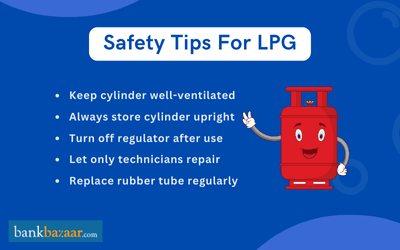
- Installation: Always use a licensed professional for the installation of LPG tanks, regulators, and pipelines.
- Consult Experts: Work with technical experts to design a system that meets your specific needs, including flow rate and peak load, while adhering to all safety standards.
- Materials: Choose high-quality, durable, and easy-to-maintain materials for the storage system.
Staff Training and Regular Maintenance
- Regular Maintenance: The entire LPG installation, from cylinders to appliances, requires regular maintenance. Poorly maintained equipment is a significant safety risk.
- Periodic Safety Training: All staff members working with or near the LPG installation should receive regular safety training. This should cover correct handling procedures, leak detection, and emergency responses.
Most of the hotels/restaurants opting for LPG make the mistake of poor maintenance. The proper maintenance of the LPG storage system is as equally important as the design. A well-maintained LPG connection runs smoothly and is good for everyone's safety.
Periodic Safety Training
It is important to provide all the staff/working members with safety training periodically to minimize hazards and accidents. Thus, any non-adherence to the safety procedures will be easily dealt with.
Uninterrupted Fuel Supply
LPG is the lifeline of any food establishment, without it, the business would get affected. Make sure that there is an uninterrupted fuel supply in the hotel/restaurant.
Dos and Don'ts While Handling LPG
Dos | Don'ts |
Do restrict the area for authorized personnel only. | Don't smoke in the kitchen. |
Do turn off the LPG cylinder when not in use. | Don't heat the cylinder. |
Do clean the LPG storage area periodically. | Don't keep the cylinder in horizontal position. |
Do periodically check the cylinder for leaks. | Don't handle the cylinder yourself in case of gas leakage. |
When working with LPG in commercial food establishments, stay alert and beware of all the hazards. A small precautionary step from your side may avert a mishap.
Identifying and Responding to LPG Leaks
Signs of a Gas Leak
- Physical Symptoms: Inhalation of leaked gas can cause headaches, dizziness, and nausea.
- Sound: A hissing or whistling sound near the cylinder, regulator, or hose.
- Smell: A strong, unpleasant smell, often compared to rotten cabbages.
Emergency Procedure for Gas Leaks
- Immediately turn off the valve on the LPG cylinder.
- Open all doors and windows to allow the gas to disperse.
- Do not operate any electrical switches, use a telephone, or light any flames.
- If the leak is strong, evacuate the premises immediately.
- From a safe distance, call your gas supplier and the fire department.
FAQs on Opting for LPG in Hotels/Restaurants
1.What should staff be trained on?
Staff should be trained in the proper use of appliances, how to handle cylinders, how to detect leaks, and the emergency procedures to follow in case of a leak.
2.What are the signs of a faulty appliance?
A yellow or orange flame, soot or black deposits on cooking vessels, and a pilot light that frequently goes out are all signs of a faulty appliance.
3.What are the most common causes of LPG leaks?
Common causes include faulty or loose regulators, damaged or old rubber hoses, and worn-out cylinder valves.
4.How should LPG cylinders be stored?
Cylinders must be stored upright in a well-ventilated area, away from heat and ignition sources, and secured to prevent them from falling.
5.What should I do if I smell gas?
Immediately shut off the gas supply at the cylinder, open all doors and windows, and avoid any sources of ignition. Evacuate if the smell is strong and call for help from a safe location.

Disclaimer
Credit Card:
Credit Score:
Personal Loan:
Home Loan:
Fixed Deposit:


Copyright © 2026 BankBazaar.com.