


Impact of Inflation on Recurring Deposits
Inflation silently eats into your RD returns over time. While RDs remain a safe and disciplined saving tool, it's essential to track inflation trends and complement them with inflation-beating investments for long-term goals.

Understanding Inflation and Recurring Deposits
Recurring Deposits (RDs) are a popular savings tool in India, offering fixed returns with low risk. However, inflation can erode the real value of your RD returns over time. Understanding this impact is crucial for financial planning.
What is Inflation?
Inflation refers to the rise in the general price level of goods and services over a period. As inflation increases, the purchasing power of money decreases—meaning you can buy less with the same amount of money.
What is a Recurring Deposit?
A Recurring Deposit is a fixed investment tool where individuals deposit a fixed sum every month for a predetermined period. In return, they earn compound interest on the total amount.
- Fixed interest rates
- Low-risk investment
- Ideal for disciplined savers
How Inflation Affects Recurring Deposits
Even though RDs offer fixed interest rates, inflation reduces the real return on investment. Here’s how:
Scenario | Nominal RD Interest | Inflation Rate | Real Return |
Normal Conditions | 7.0% | 4.0% | 3.0% |
High Inflation Period | 7.0% | 6.5% | 0.5% |
Inflation > RD Rate | 7.0% | 8.0% | -1.0% |
Year | Avg RD Interest Rate | Avg Inflation Rate | Real Return |
2020 | 5.5% | 6.2% | -0.7% |
2021 | 5.75% | 5.4% | +0.35% |
2022 | 6.1% | 6.7% | -0.6% |
2023 | 7.0% | 6.0% | +1.0% |
2024 | 7.25% | 7.0% | +0.25% |
2025* | 7.0% | 6.8% (estimated) | +0.2% |
Investment Option | Risk Level | Return Potential | Inflation Protection |
Recurring Deposit (RD) | Low | Moderate (5–7%) | Low |
SIP in Mutual Funds | Medium | Moderate–High | Moderate–High |
Gold (Digital or ETF) | Medium | Variable | Good |
Inflation-Indexed Bonds | Low | Inflation-linked | Excellent |
Fixed Deposits | Low | 6–7% | Low |
Real return = Nominal Interest Rate - Inflation Rate
Real Return vs Nominal Return: Why It Matters
- Most investors focus on nominal return, the interest rate offered by the bank. However, real return—which adjusts for inflation—is the true indicator of your investment's growth.
- Example: If your RD offers 7% interest and inflation is 6.5%, your real return is only 0.5%. This means your money is barely growing in terms of actual purchasing power.
- Understanding this difference helps you make smarter financial decisions, especially during high-inflation periods.
RD Rates vs Inflation Trends (2020–2025)
Here’s a year-wise comparison to illustrate how inflation trends affect real returns:
Year | Avg RD Interest Rate | Avg Inflation Rate | Real Return |
2020 | 5.5% | 6.2% | -0.7% |
2021 | 5.75% | 5.4% | +0.35% |
2022 | 6.1% | 6.7% | -0.6% |
2023 | 7.0% | 6.0% | +1.0% |
2024 | 7.25% | 7.0% | +0.25% |
2025* | 7.0% | 6.8% (estimated) | +0.2% |
*2025 figures are estimates based on current monetary policy and inflation trends.
Expert Tips to Maximize RD Benefits During Inflation
- Pick Banks Offering Higher RD Rates: Some small finance banks or NBFCs offer better rates than traditional banks.
- Go for Short to Medium Tenure: Avoid long-term locking during volatile inflation periods.
- Use RD as Part of a Diversified Portfolio: Combine RDs with inflation-indexed bonds, mutual funds, or SIPs.
- Track RBI Announcements: Policy changes affect both inflation and deposit rates.
- Automate Monthly Deposits: Helps avoid missed payments and ensures disciplined saving.
Recurring Deposit vs Other Saving Options During Inflation
Investment Option | Risk Level | Return Potential | Inflation Protection |
Recurring Deposit (RD) | Low | Moderate (5–7%) | Low |
SIP in Mutual Funds | Medium | Moderate–High | Moderate–High |
Gold (Digital or ETF) | Medium | Variable | Good |
Inflation-Indexed Bonds | Low | Inflation-linked | Excellent |
Fixed Deposits | Low | 6–7% | Low |
When RDs Still Make Sense Despite Inflation
Recurring Deposits remain a smart choice if:
- You want guaranteed returns
- You're saving for short-term goals like school fees, travel, or gadgets
- You're building an emergency fund
- You need a risk-free investment option
While not ideal for wealth creation in inflationary times, RDs offer security, predictability, and habit-building benefits.
Strategies to Protect Your Savings from Inflation
To minimize inflation's impact on your RD returns:
- Choose higher-tenure RDs with better interest rates
- Diversify with inflation-hedged instruments like mutual funds or bonds
- Reassess RD plans when inflation spikes
- Ladder RDs across tenures to benefit from future rate hikes
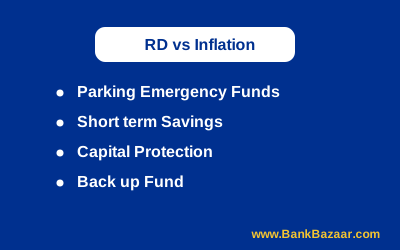
RD vs Inflation: When It Still Makes Sense
Despite inflation, RDs are still beneficial in cases like:
- Emergency fund parking
- Short-term saving goals (e.g., within 1–2 years)
- Capital protection for risk-averse investors


FAQs on Impact of Inflation on Recurring Deposits
- How does inflation affect recurring deposits in India?
Inflation reduces the real returns on RDs, as it lowers the purchasing power of your returns.
- Can recurring deposits beat inflation?
Generally, RDs offer lower returns than the inflation rate, especially during high inflation periods.
- What is the real interest rate in a recurring deposit?
It’s the nominal interest rate minus the inflation rate. For example, 7% RD rate - 6% inflation = 1% real return.
- Are RDs a good option during high inflation?
They offer stability but may not beat inflation. Consider diversifying with inflation-hedged investments.
- How can I protect my RD investments from inflation?
Invest in staggered RDs, review interest rates periodically, and diversify with higher-yield instruments.

Disclaimer
Credit Card:
Credit Score:
Personal Loan:
Home Loan:
Fixed Deposit:


Copyright © 2026 BankBazaar.com.