


What is Considered as a Bad Credit Score?

Loading your search...
Your credit score acts as a deciding factor when you are planning to either apply for a loan or get a credit card. A bad credit score indicates poor creditworthiness and can limit access to loans, credit cards, and favourable interest rates. Generally, a credit score between 350 and 550 is considered bad.

What is a Bad Credit Score?
A bad credit score usually ranges between 350 to 550 that reflects a history of poor credit management. A bad credit score results from missed or late payments, loan defaults, or other negative credit activities which makes obtaining a new credit card more difficult. Credit bureaus record this information in your credit report, and when multiple negative entries appear within a short period, they lead to a bad credit score.
What is the Range of Bad Credit Score?
A credit score is a measure of your creditworthiness which is presented in a numerical format. It ranges between 300-900, 300 being the lowest and 900 being the highest. You should always work towards maintaining a credit score closer to 900.The majority of banks and NBFCs consider a credit score of 750 and above as ideal. Let's take a look at different credit score ranges:
Bad | 300-500 |
Average | 550-650 |
Good | 650-750 |
Excellent | 750-900 |
A credit score in the range of 300-550 is considered as a poor score or bad. If you have a credit score that falls in this range, you will need to take serious measures to improve it. Having a bad credit score will not make you eligible to avail a loan or get a credit card.
How Does a Bad Credit Score Impacts Your Credit Report?
A bad credit score impacts your credit report negatively by making you appear riskier to the lenders. This increases the chance of credit rejection and results in low borrowing limits, high interest rates, and few promotional offers, or rewards. While lenders assess credit differently, a higher credit score generally improves your approval of chances and access to better rates.
What are the Factors/Bad Practices that Lead to low Credit Score?
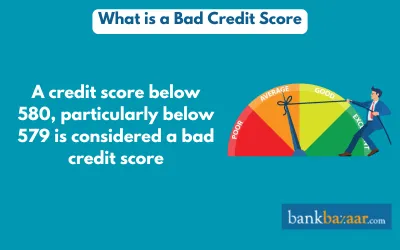
A bad credit report or score can reduce your chances of getting favourable loan offers. Common mistakes that lower credit scores are mentioned below:
- Missed or delayed payments signal unreliability and significantly harm your credit score.
- High credit utilisation such as using more than 30% of your available credit, suggests overdependence on credit and poor financial management.
- Failing to monitor your credit report may allow errors or discrepancies to go unnoticed, negatively affecting your score.
- Taking new loans or shifting debt to pay off existing bills indicates financial stress and concerns of lenders.
- Opening multiple unnecessary credit accounts increases the risk of missed payments and accumulated debt, lowering your credit score.
Disadvantages of having a Bad Credit Score
- Limited Access to Credit: Lender prefers credit scores more than 750, and a low or bad credit score restricts access to loans leading borrowers to look for alternative lenders with higher interest rates or low-credit-specific loans.
- Higher Interest Rates: Even when approved, borrowers with low credit scores typically pay higher interest rates, as lenders view them as high-risk.
- Loss of Exclusive Benefits: Poor credit can prevent access to premium credit card features such as cashback, special offers, and higher credit limits, which are usually reserved for borrowers with good credit.
- Higher Insurance Premiums: As individuals with low credit scores are perceived to be less reliable in making timely payments, insurance providers may charge high premiums.
- Limited credit card choices: A bad credit score indicates risk to the credit card company which results in access to secured credit cards mostly and in some cases, you may not be able to get considered for credit cards as well.
Measures to Improve your Credit Score
There are several measures that will help you improve your credit score:
- Get your credit report from Bankbazaar.com.
- Review and analyse your credit report. Make necessary changes and improvements.
- Fix your late payments by paying your dues on a timely basis moving forward.
- Pay off debts (if any) instead of transferring it to other accounts.
- A good way to build a credit history is to get a secured credit card.
- Increase the credit limit on your existing credit card.
- Have a good mix of secured and unsecured loans.
- Maintain a low credit utilisation ratio.
How Long Does It Take to Improve Your Credit Score?
There is no fixed timeline to improve a bad credit score, as it takes time and consistent effort, as it varies for each individual. However, working on your credit is worthwhile to access better financial offers. Tools such as CreditExpert can help by providing personalised tips and insights to guide you in building a stronger credit score.
Disclaimer
Display of any trademarks, tradenames, logos and other subject matters of intellectual property belong to their respective intellectual property owners. Display of such IP along with the related product information does not imply BankBazaar's partnership with the owner of the Intellectual Property or issuer/manufacturer of such products.


FAQs on Bad Credit score
1.What is considered as a good credit score?
The majority of lenders like banks and non-banking finance companies consider a credit score of 750 and above ideal.
2.How can I improve my credit score immediately?
To improve your credit score immediately increase credit limit on your existing credit card; avoid pending debts; maintain low credit utilisation; avoid multiple credit applications; fix errors in credit report (if any) and do not remove old credit accounts.
3.What is the benefit of having a high credit score?
A number of lenders offer preferential pricing to consumers who have a high credit score. With a high credit score you not only become eligible to receive a loan but also get discounts on interest rates, processing fees, and so on.
4.What is the difference between a hard enquiry and a soft enquiry?
Hard enquiries are those that lenders make when you apply for a new credit card or loan. Soft enquiries, also known as credit report checks, are performed by people to check or track their own credit behaviour.
5.Can my credit score be lowered by soft enquiries?
No, soft enquiries will not impact your credit score. However, having too many hard enquiries can lower your credit score because they could reflect more dependency on credit and an increased burden of future repayments.
CIBIL Score Requirements for Loans

Disclaimer
Credit Card:
Credit Score:
Personal Loan:
Home Loan:
Fixed Deposit:


Copyright © 2026 BankBazaar.com.