


Credit Card Negative Balance
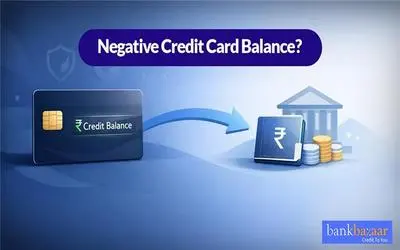
A negative credit card balance occurs when your credit card account balance falls below zero, meaning the card issuer actually owes you money. This usually happens when you’ve paid more than what you owe or received credits such as refunds or cashback.
In simple terms, a negative balance reflects excess funds in your credit card account rather than debt. While it may look unusual, it is not a problem and can even work in your favor.

What Does a Negative Credit Card Balance Mean?
Normally, a credit card balance shows how much you owe the bank. However, when the balance is negative, it indicates that:
- You have overpaid your credit card bill, or
- Your account has received credits exceeding your outstanding dues
This extra amount is automatically adjusted against future purchases or refunded to you if requested.
Common Reasons for a Negative Credit Card Balance
✔️Refunds Credited to Your Account
If you return a product or cancel a transaction, the merchant may issue a refund to your credit card. If there is no outstanding balance at that time, the refund results in a negative balance.
✔️Excess or Advance Payment
Paying more than your total outstanding amount—intentionally or by mistake—can create a negative balance. Some cardholders do this to avoid missing payments.
✔️Cashback and Reward Adjustments
Cashback rewards, promotional credits, or fee reversals may be credited directly to your card account, lowering the balance below zero.
✔️Charge Reversals or Dispute Resolutions
If a disputed transaction is resolved in your favor after you’ve already paid the bill, the reversed amount may lead to a negative balance.
What Happens When You Have a Negative Credit Card Balance?
- Automatic Adjustment: The excess amount is adjusted against your future purchases or upcoming billing cycles, reducing the amount you need to pay later.
- Refund Option: If you don’t plan to use the card or are closing the account, you can request the issuer to refund the balance via bank transfer, cheque, or cash (depending on the issuer’s policy).
Note: Credit card companies do not charge interest or penalties on negative balances.
Impact of a Negative Credit Card Balance on Your Credit Score
A negative credit card balance does not harm your credit score. In fact, it can have a neutral to slightly positive effect because:
- Your credit utilisation ratio decreases, which is a key factor in credit scoring.
- There is no outstanding debt or delayed payment associated with a negative balance.
However, maintaining a negative balance consistently does not significantly improve your credit score either—it’s simply a temporary financial situation.
Is It Safe to Keep a Negative Balance on Your Credit Card?
Yes, it is completely safe. Credit card issuers are regulated financial institutions, and your excess funds remain secure. That said, keeping large negative balances for long periods is not ideal, as credit cards are not meant to function as savings accounts.
Expert Tip for Cardholders:
Financial experts recommend reviewing your credit card statements regularly to avoid accidental overpayments and to ensure refunds or cashback credits are accurately reflected. If you notice a negative balance and don’t anticipate future spending, consider requesting a refund for better cash flow management.

Expert Summary: Understanding a Negative Credit Card Balance
A negative credit card balance is not a financial red flag, it simply means you have extra funds with your card issuer. Understanding why it occurs and how it’s handled can help you manage your credit more effectively and avoid confusion when reviewing your statements.
FAQs on Credit Card Negative Balance
1.Can I withdraw a negative credit card balance as cash?
Yes, most card issuers allow you to request a refund of the negative balance via bank transfer or cheque, subject to their terms.
2.Will a negative credit card balance earn interest?
No, negative credit card balances do not earn interest since credit cards are not deposit accounts.
3.How long can a negative balance stay on my credit card?
There is usually no time limit. The balance remains until it is adjusted against purchases or refunded.
4.Does a negative credit card balance mean my payment failed?
No. It typically means you paid more than required or received a credit such as a refund or cashback.
5.Should I contact my bank if I see a negative balance in my credit card?
It’s not necessary unless you want a refund or if the balance appears due to an unexpected or incorrect transaction.
6.What will happen if I overpay my credit card balance?
If you happen to overpay the credit card balance, it will show as a negative balance in your account. This means that the credit card company has to return the amount to you.
7.How can I remove the negative balance on my credit card?
You can request a deposit to remove the negative credit card balance. You can ask your credit card issuer if the negative balance amount can be deposited into your bank account

Kankana Mukherjee is an engineer and has over 4.5 of experience in content writing. Combining the expertise in financial content writing achieved in her 2 years association with BankBazaar, and a knack for clear and engaging content, Kankana simplifies complex financial concepts and offers practical insights to help readers make informed decisions and achieve financial success.

Disclaimer
Credit Card:
Credit Score:
Personal Loan:
Home Loan:
Fixed Deposit:


Copyright © 2026 BankBazaar.com.